
This Week in Supply Chain: 10 Stories That Matter
Hormuz oil flows recover, El Niño hits shipping, copper and food, wheat at a three-year high, a small EU parcel fee reshapes Chinese e-commerce, and a cross-Andes copper agreement. Ten developments to watch this week, and why they matter.
 Joanna Pachnik
El Niño is disrupting industries that rarely appear on the same risk register. Attacks in the Black Sea are lifting wheat prices. A relatively small European customs charge is forcing Chinese e-commerce platforms to reconsider how they hold and move inventory.
At the same time, South American beef exports are being redirected, demand signals are diverging between the U.S. and Europe, critical medical products are being recalled, Amazon is targeting one of the hardest remaining warehouse automation problems, and the containership orderbook has crossed 40% of the existing fleet. Here are 10 developments we think supply chain leaders should be paying attention to this week, and why they matter.

Oil flows through Hormuz recover, but the buffer is gone
Persian Gulf exports of crude oil and refined products have recovered to an estimated 15-16 million barrels per day, according to Goldman Sachs analysis reported this week. That is a considerable improvement from the 5-6 million barrels moving through the region in March, but it remains 7-8 million barrels below pre-war levels.
The additional supply has helped keep oil prices below $90 per barrel, but Hormuz has not returned to normal. Strategic inventories are still being drawn down, some tankers remain difficult to track and Iraq is now offering buyers the option to collect crude outside the Gulf as it explores alternative export arrangements.
El Niño hits shipping, copper and food at the same time
One of the strongest El Niño events in decades is beginning to disrupt several critical supply chains simultaneously. Reduced rainfall is constraining Panama Canal capacity, extreme weather is affecting Chilean copper production, and Peru ended its anchovy harvest early over concerns about fish stocks, contributing to record fishmeal prices.
In Asia, weaker rainfall is also creating concern about rice production and the possibility of renewed export restrictions. The impact is moving from local weather into transportation capacity, industrial inputs, animal feed and global food prices.

Black Sea disruption pushes wheat to a three-year high
Wheat prices climbed to their highest level in three years as attacks on grain vessels, terminals and storage infrastructure constrained Black Sea exports. Chicago wheat settled at $7.60¾ per bushel, approximately 30% above its late-June low and its highest close since July 2023.
Russia and Ukraine together account for approximately one-quarter of global wheat production. Alternative road, rail and river routes can move part of Ukraine's grain, but they cannot easily replace the scale and cost efficiency of Black Sea ports.
A €3 fee is redesigning Chinese e-commerce
Low-value Chinese parcel volumes entering the European Union have fallen by an estimated 30-40% since the bloc introduced a €3 charge per tariff classification on July 1. The economics are particularly difficult for platforms built around inexpensive orders containing products from several categories.
Shein has proved more resilient than Temu and AliExpress, partly because it has already expanded regional fulfillment capacity in Poland. The broader pressure is visible in Shein's Hong Kong IPO, which values the company at approximately $27 billion, around 70% below its former private-market peak.

Argentina and Chile plan a cross-Andes copper supply chain
Argentina and Chile are reviving a 1997 cross-border mining framework intended to let companies share infrastructure and resources across the Andes. For Argentine projects near the border, the principal opportunity is access to Chilean ports, suppliers and established mining infrastructure.
Chile's mining minister estimates that the framework could unlock more than $20.7 billion in investment and support approximately 540,000 tonnes of additional annual copper production. Projects that could benefit include Los Azules, El Pachón and Vicuña, the cross-border project owned by Lundin Mining and BHP.
China's beef quota redirects South American trade
Brazil has exhausted its preferential Chinese beef quota of approximately 1.1 million tonnes. Additional shipments now face China's regular 12% tariff plus a 55% safeguard, and Brazilian daily beef exports during the first half of August were 26% below the corresponding period last year.
At the same time, Argentina's beef exports to the United States tripled during the first seven months of 2026, making the U.S. responsible for nearly 20% of Argentine exports. Washington is considering a temporary tariff-free quota for up to 300,000 tonnes of additional imported beef, potentially creating another destination for South American supply.

U.S. consumers turn cautious as European business sentiment improves
The University of Michigan's U.S. consumer sentiment index fell from 55.2 in July to 51.7 in August. A separate Conference Board measure declined to 89.4, its lowest level in seven months, as consumers remained concerned about inflation, gasoline prices and future employment.
Europe presented a more positive but nuanced picture. The European Commission's Economic Sentiment Indicator increased by 1.3 points to 98.4 in the euro area. Confidence improved in industry, services and retail, while consumer confidence itself remained broadly stable.

Multiple contamination recalls hit critical IV products
Several recalls announced this week affected intravenous products used in hospitals, dialysis and other clinical settings. Baxter recalled lots of saline and anticoagulant sodium-citrate solution because of possible fiberglass contamination, as well as concentrated dextrose solution because of potential stainless-steel particles.
Separately, B. Braun recalled saline after particulate matter was identified as iron oxide. There is no evidence that the incidents are connected or that the manufacturers share a common source of contamination.
Amazon targets one of the last hard problems in automation
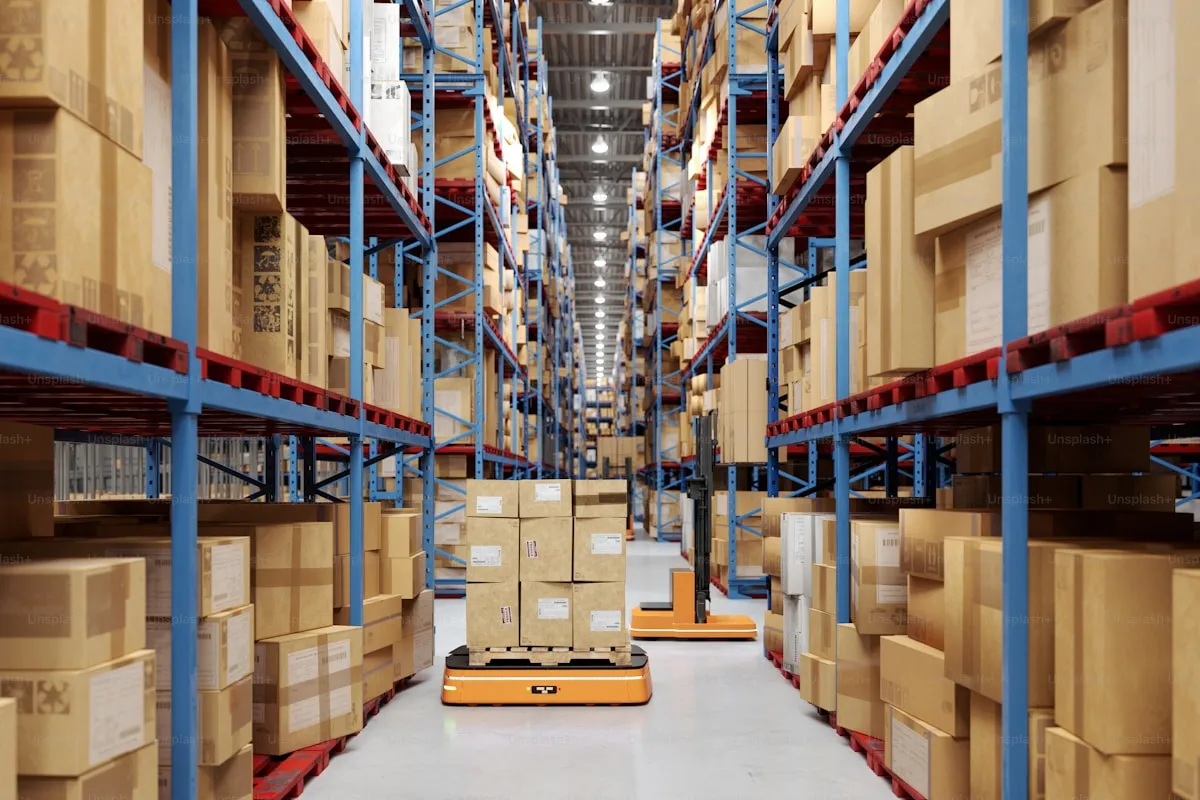
Amazon is reportedly developing a new generation of highly automated delivery stations under an internal initiative known as Project Tetromino. The system would target activities including package sorting and vehicle loading, work that remains difficult to automate because parcel dimensions, arrival patterns and delivery routes constantly change.
Internal plans reportedly estimate that the proposed system could process packages at 2.5 times the efficiency of current delivery stations. Amazon is considering a $103 million initial pilot, with possible expansion to 15 sites and investment exceeding $530 million by 2029, although the company describes the project as an early-stage concept.
The containership orderbook exceeds 40% of the existing fleet
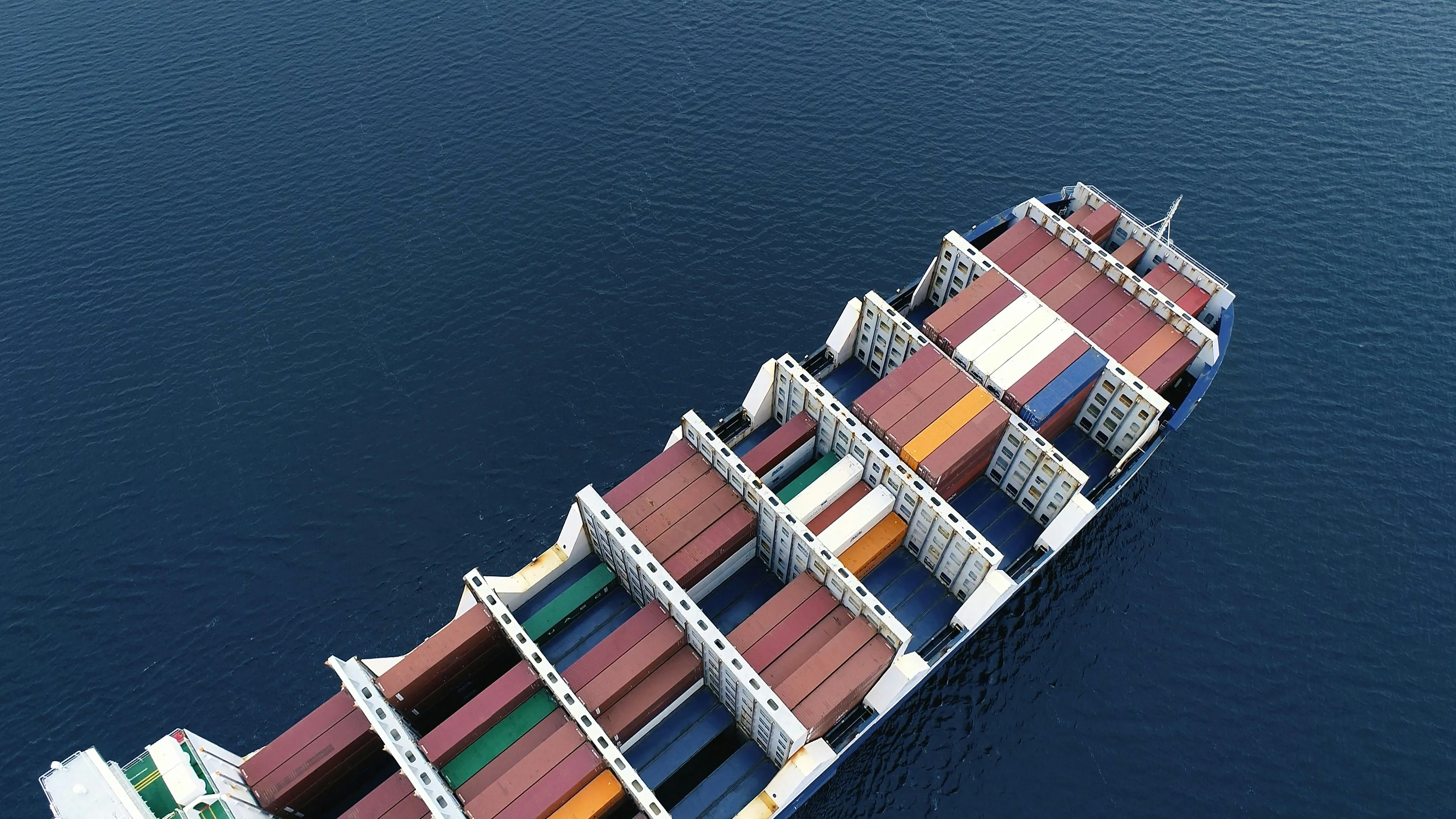
The global containership orderbook has reached 1,724 vessels with combined capacity of approximately 13.97 million TEU. With the existing fleet at around 34.16 million TEU, capacity now on order is equivalent to more than 40% of the fleet already in service, the highest ratio since 2009.
Nearly one million TEU was added to the orderbook in just over two months. Immediate vessel availability nevertheless remains tight, with only around 0.9% of the existing fleet idle as diversions, longer voyages and congestion continue to absorb capacity.
 Weekly briefing · Sep 13, 2026
 Weekly briefing · Aug 22, 2026